Impulses
A career in leadership? Maybe.
By Katja Polajnar
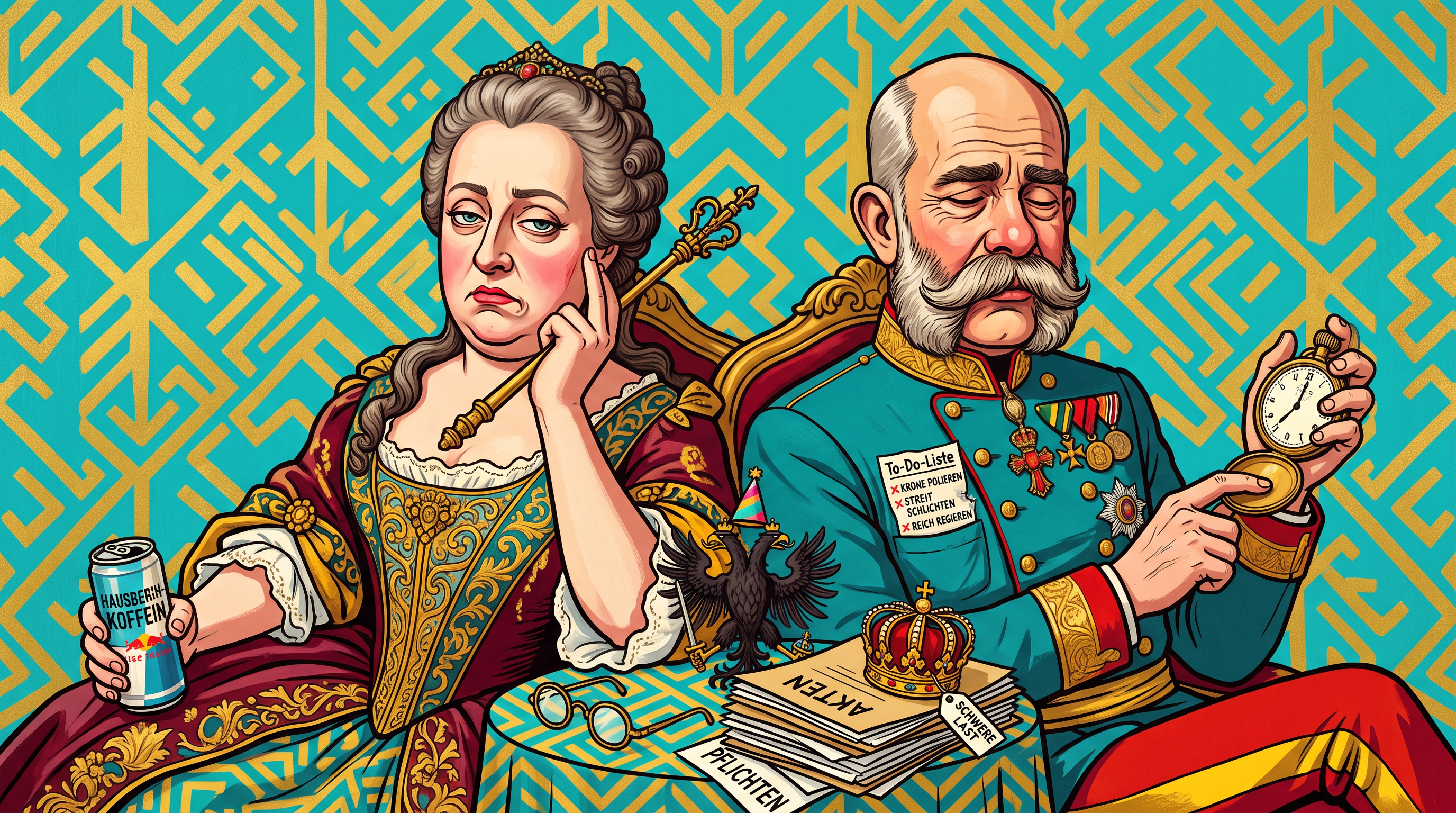
A career in leadership? Maybe.
Taking responsibility for your own life is challenging enough. But taking responsibility for other people and a shared goal as well? Reconciling differing interests, dealing with conflicts, making decisions that don’t please everyone? “Why am I putting myself through this?!”—I encounter this question more and more often in my work as a consultant and coach. And it’s not without merit—though it can be refuted…but let’s take it one step at a time.
The demands of a leadership role have increased in recent years and are as varied as they are contradictory
- Be clear and decisive. But involve everyone.
- Provide direction. But leave enough room for autonomy.
- Show conviction. But don’t polarize.
- Be approachable and authentic. But don’t get too personal.
- Support your employees. But don’t overwhelm them.
- Lead your team to high performance—but please do so in a way that ensures everyone keeps up.
And all of this in a world where individuality is highly valued, shared perspectives are becoming rarer, and one’s own personal point of view often seems more important than the bigger picture.
Nevertheless, leadership offers the opportunity to shape something that extends beyond oneself and brings others along.
Good leadership begins when you stop trying to do everything right and instead find peace with yourself and the task at hand.
You recognize what you stand for. What matters to you. What values shape your actions. And what makes it worthwhile to have difficult conversations or make uncomfortable decisions. Because you identify with your company’s purpose and goals.
Those who know their own compass can take full responsibility and convey credibility.
What particularly inspires me in my work at 5P Consulting is exactly this:
We support people so that, even in difficult situations, they can demonstrate integrity, remain true to their values, and not let headwinds deter them when it comes to communicating meaningful decisions and engaging in dialogue with others.
Time and again, we see how much changes when people stop trying to conform to a supposedly perfect image of leadership and begin to develop their own credible style as whole individuals with integrity—and then apply helpful methods.
Those who lead also shape how people interact with one another and influence society.
How we listen. How we handle differing opinions. How we resolve conflicts, process disappointments, and share successes with one another.
In doing so, leaders not only drive companies toward success and employees toward high performance. They also create spaces where people can experience and learn to understand one another better, take on responsibility, and achieve common goals despite differing perspectives and life experiences.
This is an important contribution—especially now—that extends far beyond one’s own organization.
In our leadership development programs, training sessions, and coaching sessions, our primary focus is therefore not on training employees to become the “perfect” leaders. Our goal is always to empower them to be effective as human beings—for themselves, for others, and for the greater good.
And perhaps that is precisely the answer to the question of why it is absolutely worthwhile today to take on leadership responsibly.
Not because of the title. Not because of the status. Not because of the lucrative pay raise.
But because it can be fulfilling to work together with others to make something possible that cannot be achieved alone.
The areas in which we work for and with leaders are diverse—but the direction remains the same: growth—both internal and external.
Time for Development: https://www.5p-consulting.com/de/leadership-devel